In a world filled with information, opinions, and constant change, one skill stands out as essential for every student: critical thinking. It’s more than just analyzing data or forming opinions. It’s the ability to think clearly, question effectively, and make sound judgments. Students who master this ability can navigate academic challenges, solve complex problems, and make better decisions in life. Moreover, this guide to core strengths and capabilities highlights how developing critical thinking supports both personal growth and academic success. Understanding how to think critically gives learners an edge that extends far beyond the classroom.
Understanding Critical Thinking
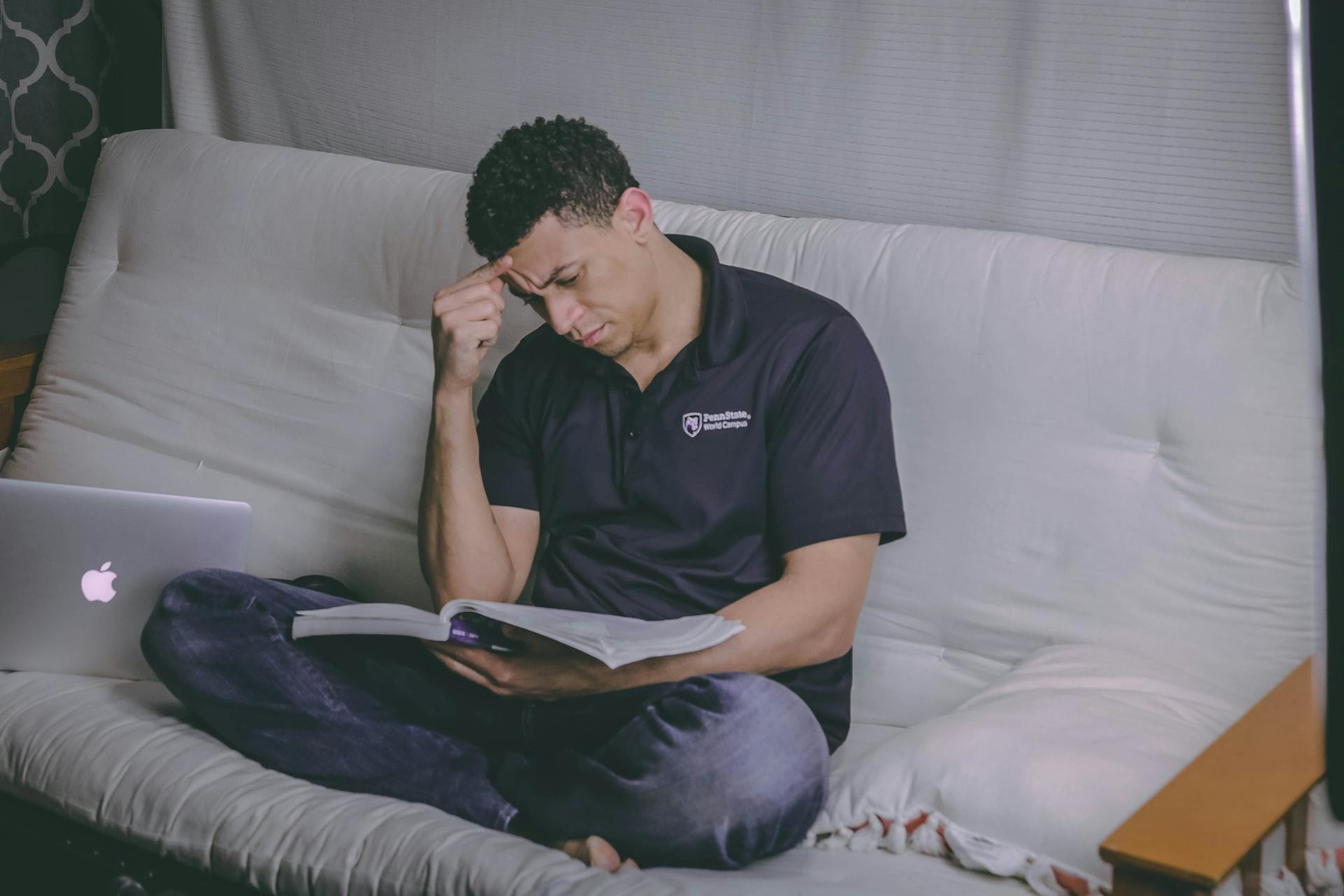
Critical thinking involves analyzing information objectively and evaluating different perspectives before forming conclusions. It pushes students to question assumptions instead of accepting everything at face value. In education, it helps learners process knowledge with purpose rather than memorizing facts. This ability empowers students to approach subjects with curiosity and logic, making their learning experience deeper and more meaningful. Education today is not just about gaining knowledge. It’s about knowing how to use it. Critical thinking transforms learning from passive absorption to active engagement. Students who think critically understand concepts more thoroughly and can apply them in new situations. This approach leads to improved academic performance, greater confidence, and stronger communication.
Developing the Ability to Think Critically
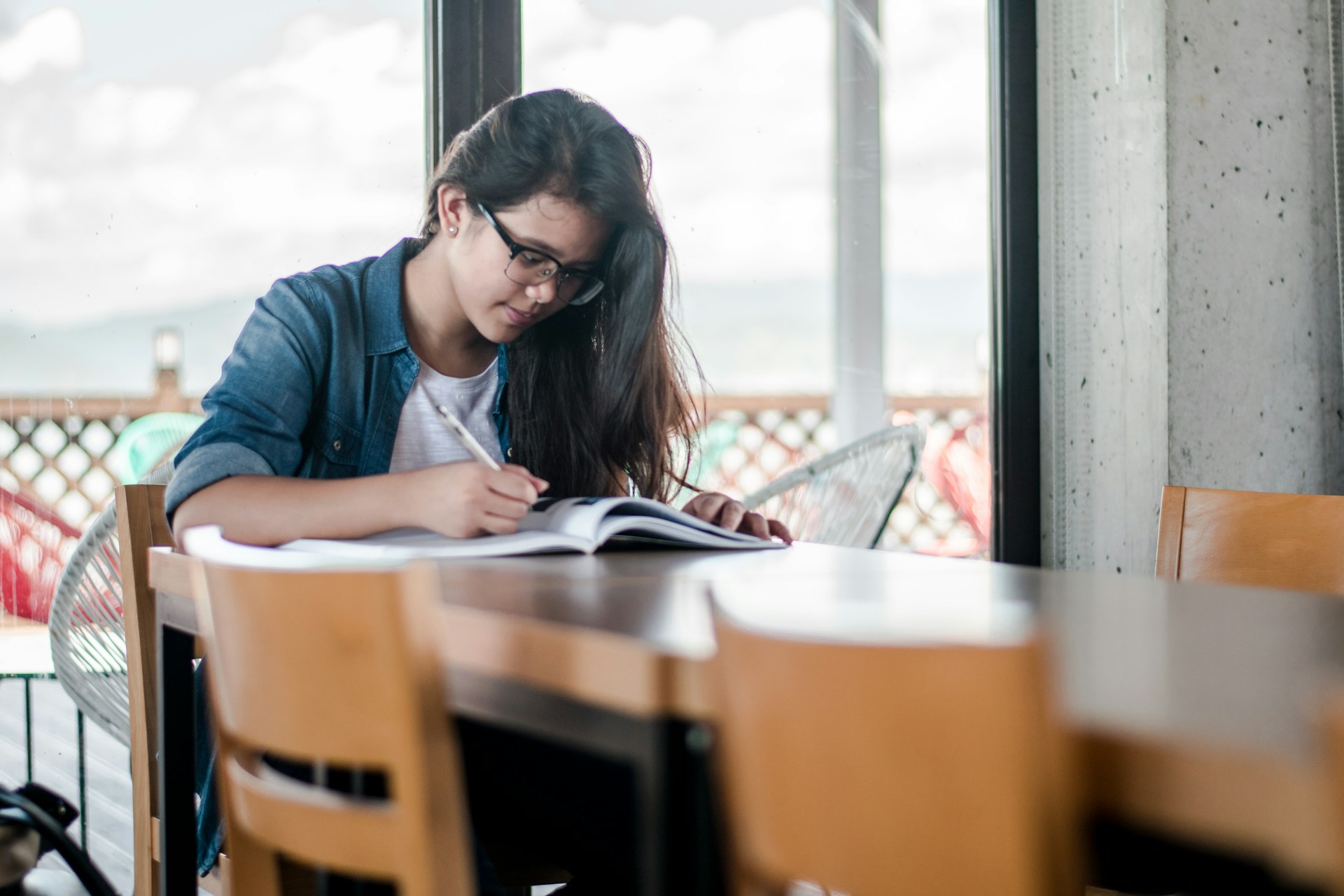
Cultivating critical thinking takes time and consistent practice. It starts with questioning, asking “why” and “how” instead of simply “what.” Students must learn to evaluate sources, compare viewpoints, and reflect on their reasoning. Class discussions, problem-solving tasks, and debates are effective ways to strengthen this ability. Teachers play an important role by encouraging curiosity, providing open-ended questions, and allowing students to form their own conclusions. The ability to think critically also influences decision-making in and out of school. When faced with choices, students who analyze information carefully tend to make more informed and confident decisions.
Critical Thinking in the Digital Age
In today’s digital world, where information spreads faster than ever, the need for critical thinking has become even more urgent. Students are constantly exposed to news, opinions, and online content that may not always be reliable. Learning to identify credible sources and think independently is crucial. This ability helps prevent misinformation and promotes responsible digital behavior. In an era of instant answers, critical thinking ensures thoughtful responses.
The Role of Critical Thinking in Personal Growth
Beyond academics, critical thinking also contributes to personal development. It teaches students to approach life with open-mindedness and resilience. When they encounter challenges, they can analyze problems calmly and develop creative solutions. This mindset builds confidence and independence, allowing them to grow as individuals. By thinking critically, students learn not only to understand the world but also to shape their place within it.
The Lifelong Value of Critical Thinking
Critical thinking remains valuable long after graduation. In workplaces, employers seek individuals who can analyze data, solve problems, and communicate ideas effectively. In personal life, it helps people make sound judgments, handle change, and build healthy relationships. This ability is the foundation of lifelong learning and adaptability. By mastering it early, students prepare themselves for success in any path they choose.
Critical thinking is more than an academic skill. It’s an essential life ability. It helps students see beyond surface-level answers and develop a mindset of curiosity, logic, and fairness. In a fast-changing world, this ability becomes a lifelong advantage, ensuring that learners stay adaptable, confident, and thoughtful. Mastering critical thinking doesn’t just prepare students for exams. It prepares them for the realities of life.